EU 2025/2052 External Power Supply Requirements: A Buyer Guide
The EU's next charger rules reach beyond the device connector. External power supplies, USB Type-C cables, product markings, efficiency and online documentation all become part of the sourcing decision.
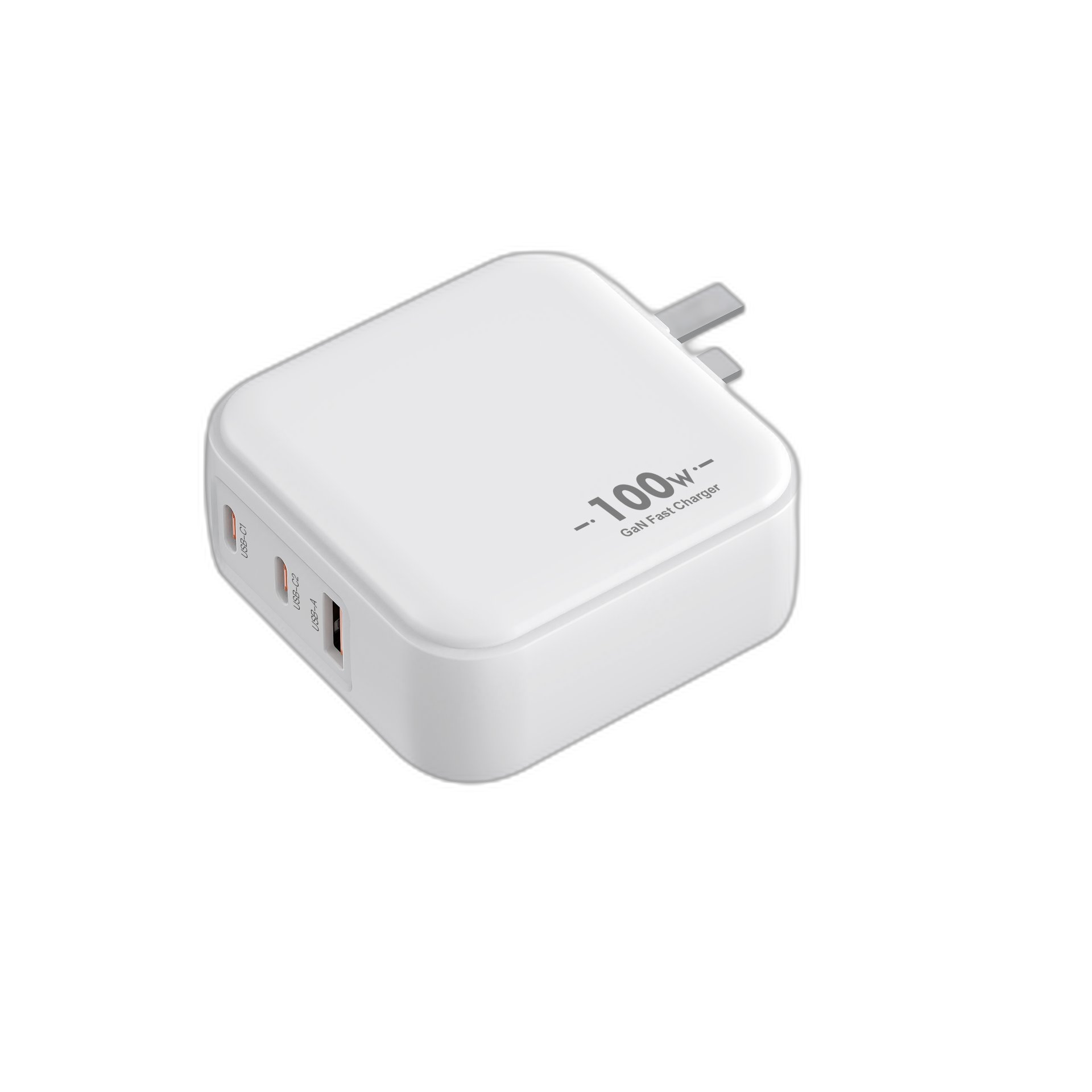
Commission Regulation (EU) 2025/2052 creates new ecodesign requirements for external power supplies, wireless chargers, wireless charging pads, chargers for portable batteries and USB Type-C cables. The regulation entered into force in December 2025 and its main requirements apply from 14 December 2028, with specific transitional provisions.
The commercial significance is straightforward: an EU charger program will increasingly be judged as a complete, documented power system. Buyers need to connect the adapter design, USB-C port behavior, cable rating, efficiency data, physical markings, packaging and online product information.
Which Products Are Covered?
The regulation covers a broad range of external power supplies and charging equipment placed on the EU market. Scope, exemptions and transitional rules depend on the product and its intended use, so a buyer should not assume that every adapter follows the same route. The exact legal text and an appropriate conformity assessment remain the reference for each SKU.
The official regulation on EUR-Lex should be used for detailed scope decisions. The European Commission also publishes a practical overview of the common-charger initiative and its relationship with external power supplies.
USB-C Interoperability Moves to the Charger Side
The earlier common-charger rules concentrated heavily on covered devices. Regulation 2025/2052 complements that approach on the external power supply side. For products subject to its interoperability requirements, the direction is toward at least one USB Type-C port, USB Power Delivery where applicable and a detachable cable rather than a permanently attached charging lead.
This matters to OEM buyers because a housing designed today may still be sold after the 2028 application date. Port layout, controller selection, cable strategy and label area should therefore be reviewed before tooling is frozen.
New Markings Need Physical Space
Interoperable external power supplies will need clear power information, including the maximum power available at relevant USB-C or USB-PD ports, together with the EU Common Charger logo where required. Covered cables must communicate whether they support 60 W or 240 W.
Marking is not merely a graphic-design task. The declared values must match real port behavior. On a multi-port charger, buyers should verify whether the displayed maximum describes one port used alone or a simultaneous-use condition, then make the product, packaging and instructions consistent.
Efficiency and Standby Performance Remain Core Requirements
The regulation updates minimum energy-efficiency requirements for external power supplies and limits relevant no-load or standby consumption. Wireless charging equipment also receives dedicated requirements. Procurement teams should request test conditions and results for the exact voltage profiles and model configuration rather than relying on a family-level marketing statement.
Online Information Must Be Managed Like Product Data
The official EU summary explains that detailed product information must remain available in documentation and on a free-access website for at least ten years. This changes the role of the product page: it becomes part of the compliance information system, not only a marketing page.
A durable record should connect the marketed model number to its power table, cable requirements, instructions and responsible economic operator. If a model or firmware changes, the online information should be reviewed at the same time as labels and test evidence.
Our View: Start With Data Control, Not a New Logo
Our view is that the hardest part will not be adding a USB-C port or printing the Common Charger logo. The difficult part will be keeping every claim synchronized across the charger body, each port, the cable, carton, manual, website and technical file.
Brands that begin with artwork will create rework. Brands that begin with a controlled product data sheet can generate every label and document from the same approved values. For multi-port chargers, that data sheet should include the full allocation matrix, not only the headline wattage.
A 2026–2028 Preparation Checklist
- Identify which current and planned SKUs may still be sold in the EU after 14 December 2028.
- Map the legal scope, exemptions and transitional provisions for each product.
- Review USB-C port architecture, USB PD profiles, detachable-cable design and multi-port allocation.
- Reserve housing and packaging space for required power markings and the Common Charger logo.
- Define whether the supplied cable is 60 W or 240 W capable and keep that cable traceable to the approved SKU.
- Collect efficiency, no-load, safety, EMC and interoperability evidence for the exact model.
- Build a public product-information page that can remain accessible and version-controlled for the required period.
What to Put in an OEM RFQ
State the destination market, expected sales period, total and per-port power, supported USB PD profiles, included cable, plug type, housing and packaging requirements, intended markings, estimated quantity and launch date. Ask the supplier to identify which values are tested, which are proposed and which remain subject to the final compliance review.
This article is a procurement guide, not legal advice. Buyers and economic operators should verify the applicable legal text, standards and conformity route for the exact product before placing it on the EU market.
Official Sources
Commission Regulation (EU) 2025/2052 · EUR-Lex regulation summary · European Commission common-charger overview · USB-IF EU conformity guidance