EU Common Charger Rules: What OEM Brands Need to Prepare
USB-C rules now cover laptops in the EU, while broader ecodesign requirements for external power supplies are coming next. Here is a practical readiness checklist for charger brands.
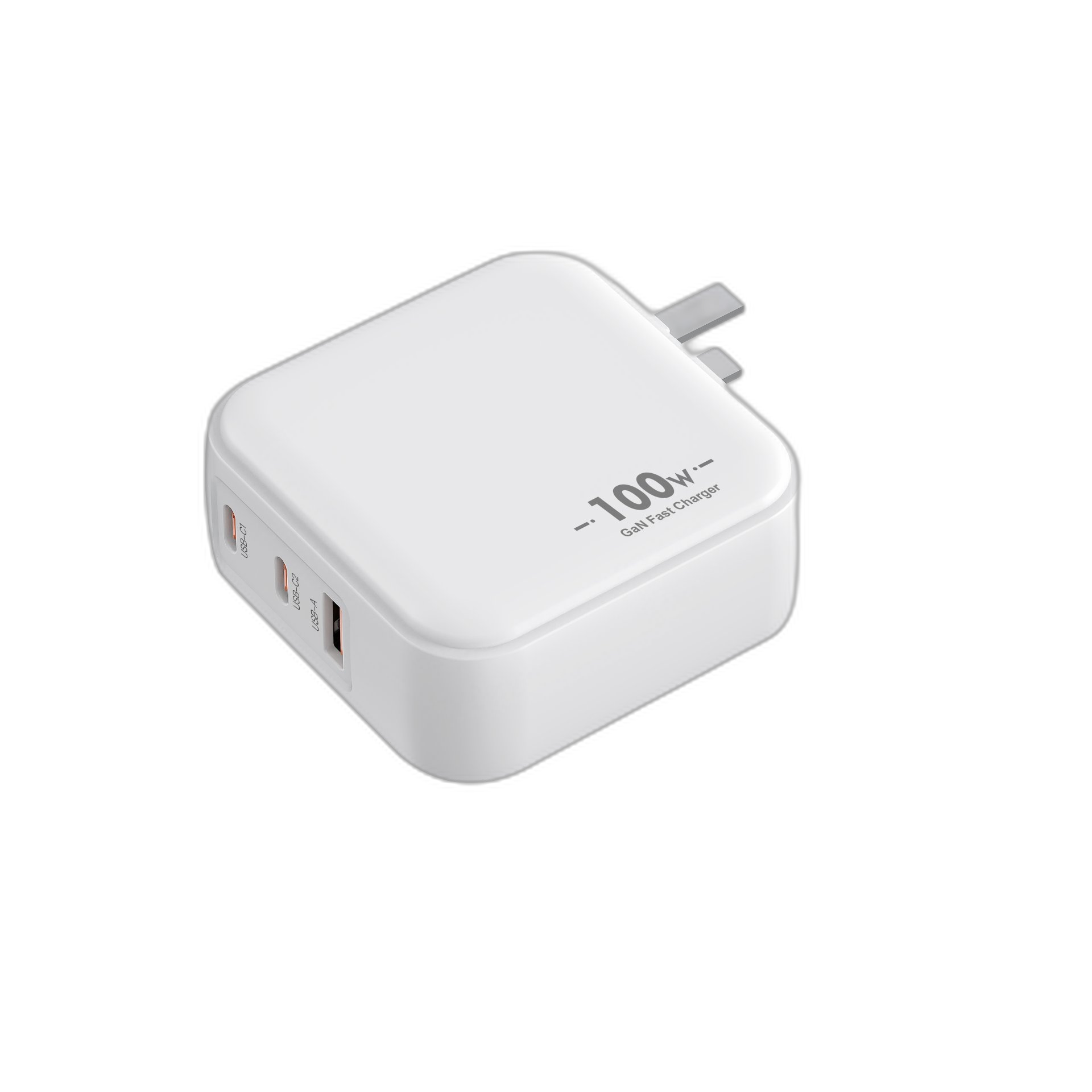
The European Union's common-charger policy is moving from a device-connector requirement toward a broader framework for interoperable external power supplies. For charger brands, the important question is not simply whether a product has a USB-C port. Product architecture, power negotiation, cable ratings, markings, documentation, and market timing all need to be reviewed together.
What Changed for Laptops in April 2026
The EU Common Charger Directive has applied to laptops since 28 April 2026. Covered rechargeable laptops must use a USB-C charging receptacle and, when they require more than 5 V, more than 3 A, or more than 15 W, support USB Power Delivery. The product information requirements also help buyers understand the minimum and maximum charging power needed.
This rule primarily applies to the radio equipment placed on the EU market, not automatically to every standalone charger sold separately. Brands should therefore review the laptop, the supplied or optional charger, the cable, packaging, and technical documentation as one compliance system.
A Broader External Power Supply Regulation Is Next
Commission Regulation (EU) 2025/2052 introduces updated ecodesign requirements for external power supplies, selected battery chargers, wireless chargers and charging pads, and USB Type-C cables. The European Commission states that the new requirements apply from 14 December 2028.
For many external power supplies, the regulation introduces common-charger interoperability requirements, including at least one USB Type-C or USB Power Delivery port by default, detachable-cable expectations, power information, efficiency requirements, surge-resistibility provisions, and a new Common Charger logo. Exemptions and detailed conditions apply, so each product must be assessed against the regulation rather than treated as automatically in scope.
Cable Marking Becomes Part of the Product Decision
A charger can only deliver its intended performance when the cable is correctly specified. The EU framework requires covered USB Type-C cables to show a 60 W or 240 W power rating, while USB-IF conformity guidance explains the referenced USB specifications. For higher-power programs, the cable, E-marker, connector temperature, voltage drop, and packaging claims should be validated together.
Five Actions OEM Buyers Can Take Now
- Map every target SKU by destination market, maximum single-port output, charging protocol, and whether a cable is included.
- Confirm that the selected platform negotiates the advertised USB PD profiles under normal and multi-port conditions.
- Reserve housing and packaging space for required port and power markings.
- Request model-specific safety, EMC, energy-efficiency, and USB-C documentation before approving mass production.
- Keep a dated technical file so component, firmware, cable, and label changes remain traceable.
How to Brief Your Charger Manufacturer
A useful sourcing brief should state the destination countries, device category, required wattage, port allocation, plug type, supplied cable rating, certification route, packaging language, and launch date. Avoid asking only for an “EU-certified charger” because CE marking, ecodesign, USB interoperability, and retailer requirements are related but not interchangeable.
Plan Compliance Before Tooling
The lowest-risk time to confirm compliance is before housing tooling, firmware freeze, and packaging approval. Yuehang can review a proposed 30 W to 100 W charger configuration against the target market and prepare model-specific documentation for the selected platform. Final legal conformity remains the responsibility of the economic operator placing the product on the market.