Why GaN Chargers Are the Future of Fast Charging
Gallium Nitride (GaN) has revolutionized charger design — delivering higher efficiency, smaller size, and cooler operation than traditional silicon. Here's…
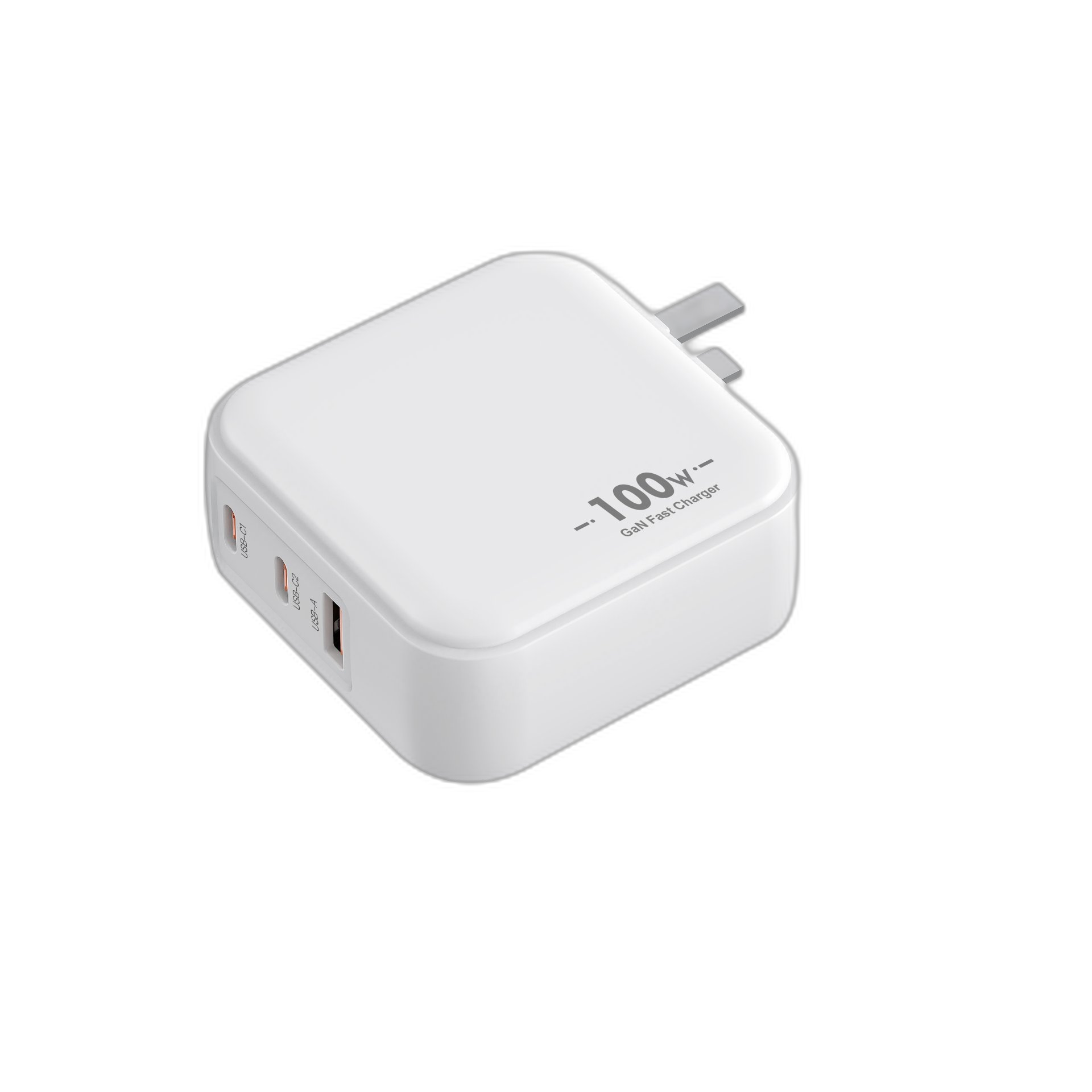
Gallium Nitride, or GaN, is a semiconductor material that has fundamentally changed how we design chargers. If you're sourcing chargers for your brand, understanding GaN is no longer optional — it's essential.
What Makes GaN Different from Silicon?
Traditional chargers use silicon-based power MOSFETs. Silicon works, but it has limits: it generates significant heat at high frequencies, which forces manufacturers to use larger heatsinks and bulkier designs. GaN switches faster, handles higher voltages, and — critically — generates far less heat. This means chargers can be smaller, more efficient, and run cooler.
The practical benefits are dramatic: GaN chargers are 40-50% smaller than equivalent silicon chargers at the same wattage, achieve 92%+ energy conversion efficiency versus 85-88% for silicon, and operate at lower temperatures for longer lifespan and better safety margins.
Real-World Benefits for Your Brand
For OEM and ODM buyers, GaN translates directly to competitive advantage. A 65W GaN charger fits in the palm of your hand — something impossible with silicon. This compact size reduces shipping costs, improves retail shelf presence, and delivers a premium user experience that consumers increasingly expect.
At Yuehang, compliance is managed at model level. Buyers can request the matching safety, EMC, and environmental documentation for a selected model and destination market before ordering.
Should You Switch Your Product Line to GaN?
If your chargers are 30W or above, the answer is yes. The cost premium for GaN components has dropped significantly — at 65W and above, GaN chargers are now price-competitive with silicon designs when you factor in savings from smaller housings, fewer thermal management components, and lighter shipping weight.
For sub-30W chargers (like standard 20W phone chargers), silicon remains the more cost-effective choice. But the market is shifting fast — by 2027, we expect GaN to dominate even at 20W.
The Bottom Line
GaN is no longer a premium feature — it's becoming the standard for chargers above 30W. If your competitors are offering GaN and you're not, you're losing shelf space. Talk to us about transitioning your product line to GaN technology.